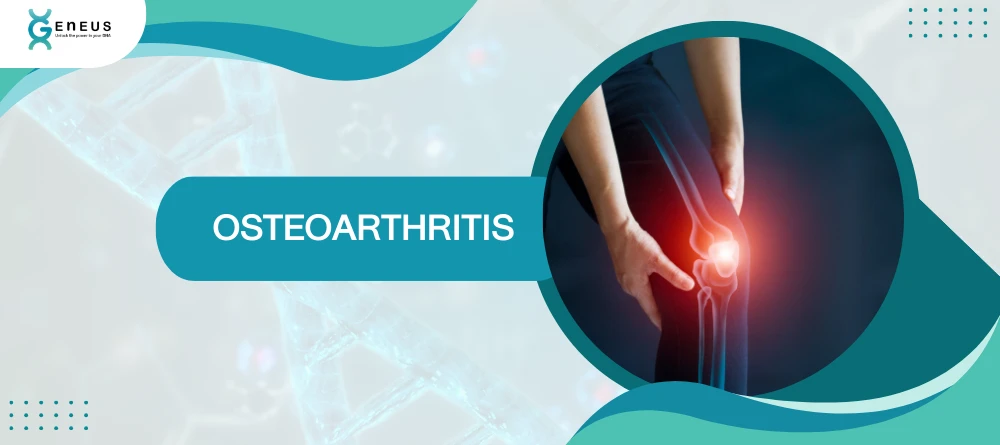
Osteoarthritis is one of the most common health issues, particularly among older adults. This condition occurs due to the degeneration of cartilage in the joints, leading to pain, swelling, and stiffness. Order our DNA Test
Recent studies highlight the significant role genetics play in increasing the risk of osteoarthritis. By analyzing genetic predispositions, individuals can better understand their risks and take proactive measures.
This article provides a comprehensive overview of osteoarthritis, including its causes, symptoms, prevention strategies, and the role of genetic testing in managing joint health.
What is Osteoarthritis?
What Is Ischemic Heart Disease?
Osteoarthritis is a condition characterized by the degeneration of cartilage in the joints. Cartilage serves as a cushion to reduce friction between bones. When it deteriorates, the underlying bones rub against each other, causing inflammation, pain, and stiffness.
What Causes Osteoarthritis?
Osteoarthritis develops from the breakdown of joint cartilage, which may begin with:
Loss of cartilage elasticity and shock absorption capacity
Bone-on-bone friction causing joint inflammation
Changes in underlying bone structure, such as bone spurs (osteophytes), which may deform the joints
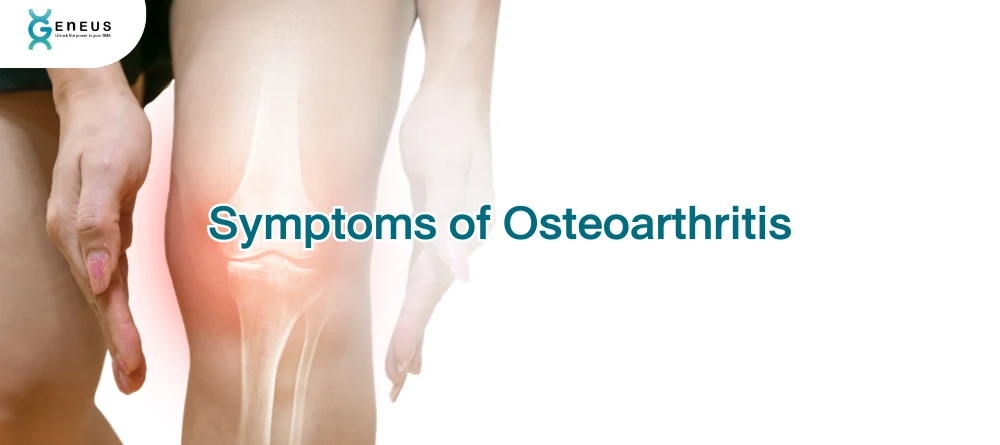
Symptoms of Osteoarthritis
Joint Pain: Increases with joint activity
Stiffness: Especially after waking up or prolonged inactivity
Swelling: Due to inflammation in the joints
Cracking Sounds: A grating noise when moving the joints
Joint Deformity: Severe cases may result in limited mobility or misshapen joints
Risk Factors for Osteoarthritis
Age: Most common in individuals over 50
Repetitive Joint Use: Jobs or activities requiring repetitive movements increase risk
Excess Weight: Adds pressure to joints, particularly in the knees and hips
Joint Injuries: Past injuries or surgeries may heighten the likelihood of developing osteoarthritis
Genetics: Specific genes influencing cartilage production significantly affect susceptibility
The Role of Genetics in Osteoarthritis
Certain genes, such as COL2A1 (associated with collagen production) and GDF5 (linked to joint development), have been identified as contributors to this risk. Individuals with these genetic markers may be predisposed to joint degeneration.
Geneus DNA provides a genetic testing service to evaluate these risks, offering personalized insights into how your genetic makeup may influence your susceptibility to this risk. This knowledge allows for early intervention and tailored preventative measures.
Treatment Options for Osteoarthritis
1. Non-Pharmacological Treatments:
Regular exercise to strengthen muscles around the joints
Use of assistive devices, such as knee braces
2. Medications:
Pain relievers like acetaminophen
Nonsteroidal anti-inflammatory drugs (NSAIDs) to reduce inflammation
3. Injections:
Hyaluronic acid to lubricate joints Corticosteroids to alleviate inflammation
4. Surgery:
Joint replacement in cases of severe joint damage
Preventing Osteoarthritis
Maintain a Healthy Weight: Reduces stress on joints
Regular Exercise: Activities like swimming or light walking improve joint function
Avoid Joint Injuries: Use protective gear during physical activities or sports
Genetic Testing: Services like Geneus DNA can identify predispositions, enabling personalized prevention strategies
Conclusion Osteoarthritis is a manageable condition when addressed with the right knowledge and proactive measures. Early joint care and genetic testing to assess risks can minimize the likelihood of developing this condition in the future. Taking control of your joint health today ensures a better quality of life and long-term mobility.